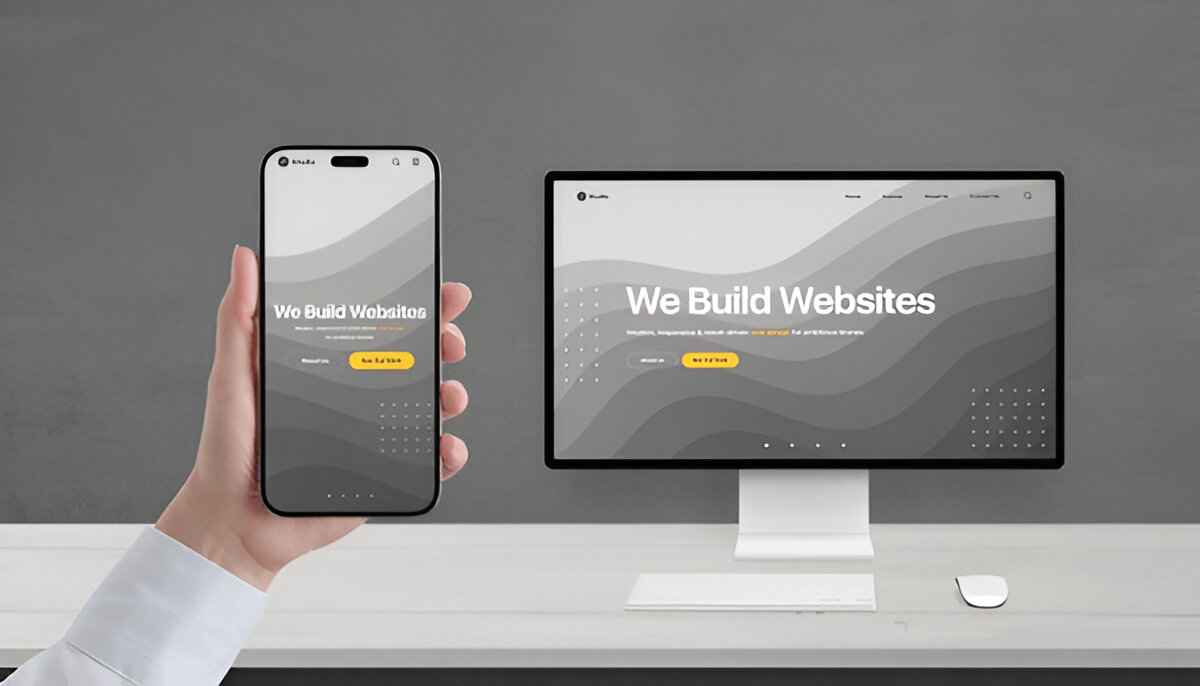

Your website represents your brand in the digital world. A well-designed website communicates professionalism, builds trust, and encourages visitors to take action.
Role of Web Design in Branding
Good web design reflects:
- Brand colors and identity
- Consistent typography
- Clear messaging
- Professional layout
When design elements align with your brand, users remember your business and feel confident engaging with it.
User Experience (UX) Matters
User experience focuses on how visitors interact with your website. A good UX includes:
- Easy navigation
- Clear call-to-action buttons
- Fast page loading
- Accessible content
Better UX leads to higher engagement and conversions.
Conversion-Focused Website Design
A well-designed website guides users toward actions such as:
- Contacting you
- Booking a service
- Making a purchase
Strategic placement of buttons, forms, and content improves conversion rates.
SEO and Performance Optimization
Design and SEO work together. Optimized websites include:
- Proper heading structure (H1–H3)
- Optimized images
- Clean code
- Fast hosting and caching
These techniques help search engines understand your content and rank it higher.
Conclusion
A strong website design is a powerful branding tool. It helps attract visitors, build trust, and convert users into customers. Investing in professional web design supports long-term online growth.